The choice between standard and customized cardboard boxes is pivotal for many businesses and individuals. Standard boxes are budget-friendly and readily available, ideal for generic packing or short-term storage. But they often fall short when faced with odd-shaped products, special durability needs, brand-centric visual demands, or space-constrained environments. Customized cardboard boxes, by contrast, can be engineered to fit these unique scenarios, offering better protection, efficiency, and brand resonance that off-the-shelf options can’t match.
Every industry has its quirks. A bakery needs boxes with grease-resistant linings to keep pastries fresh; a hardware supplier requires boxes with reinforced edges to hold heavy tools; a subscription box service wants boxes that double as unboxing experiences. Customization allows manufacturers to tweak size, structure, and features (like inserts, handles, or windows) to match each industry’s “must-haves.” Suppliers work hand-in-hand with clients to pinpoint these needs and deliver solutions.
Custom cardboard boxes redefine how users interact with packaging. For online shoppers, a box with tear-away strips eliminates the need for scissors; for warehouse staff, a box with color-coded labels speeds up sorting; for home organizers, a box with stackable grooves turns chaos into order. These thoughtful customizations reduce friction, save time, and make every interaction with the box a smoother experience.
Material choice is the foundation of custom box customization. Options span from single-wall corrugated (for lightweight items like cosmetics) to double-wall corrugated (for heavy electronics) and triple-wall corrugated (for industrial machinery). Eco-minded clients might opt for recycled kraft paper or biodegradable coatings, while luxury brands could lean into textured art paper for a premium feel. Manufacturers balance factors like load capacity, cost, sustainability, and aesthetic appeal to recommend the best fit.
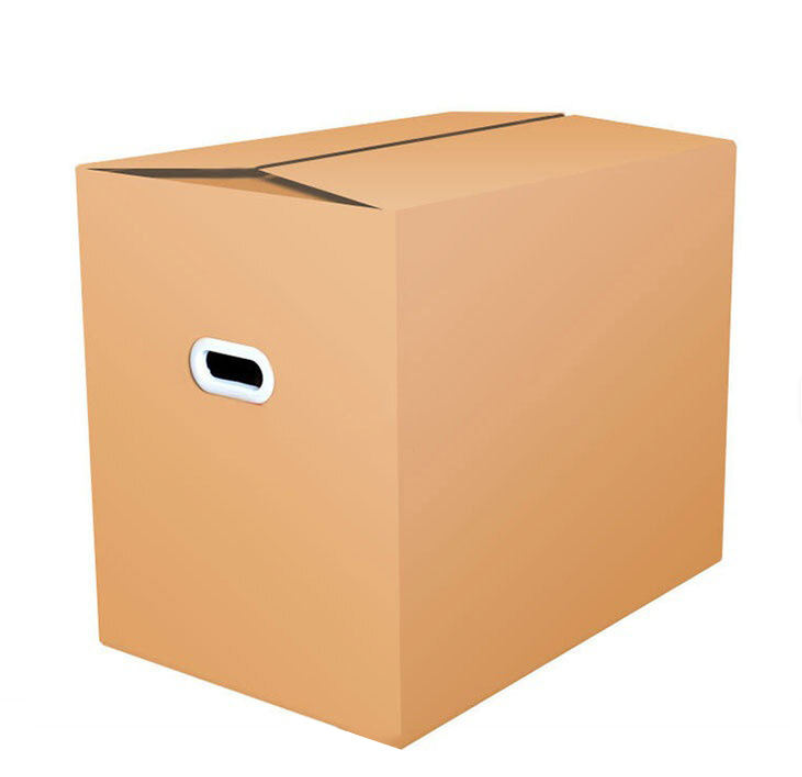
Modern custom box design is all about innovation. Think modular boxes that can be reconfigured for different products, foldable structures that save storage space when not in use, or integrated handles that make carrying a breeze. For branding, there’s high-definition digital printing for small runs, embossing/debossing for tactile logos, and holographic foiling for standout shelf presence. Designers focus on creating solutions that are functional, flexible, and visually compelling.
In e-commerce, boxes must be shipping-efficient and unboxing-friendly. Custom boxes here might have built-in cushioning for fragile items (like glassware) or branded tissue paper for a luxury feel. Retailers, meanwhile, need boxes that double as displays—think boxes with die-cut windows to showcase products or stackable designs that turn into in-store fixtures.
Logistics companies prioritize stackability, durability, and weight efficiency. Custom boxes for this sector might have interlocking bases to prevent collapse during transit or waterproof laminates for cross-border shipping. Manufacturers, on the other hand, need boxes that fit production lines—custom sizes to house components or plain brown boxes for cost-effective bulk storage.
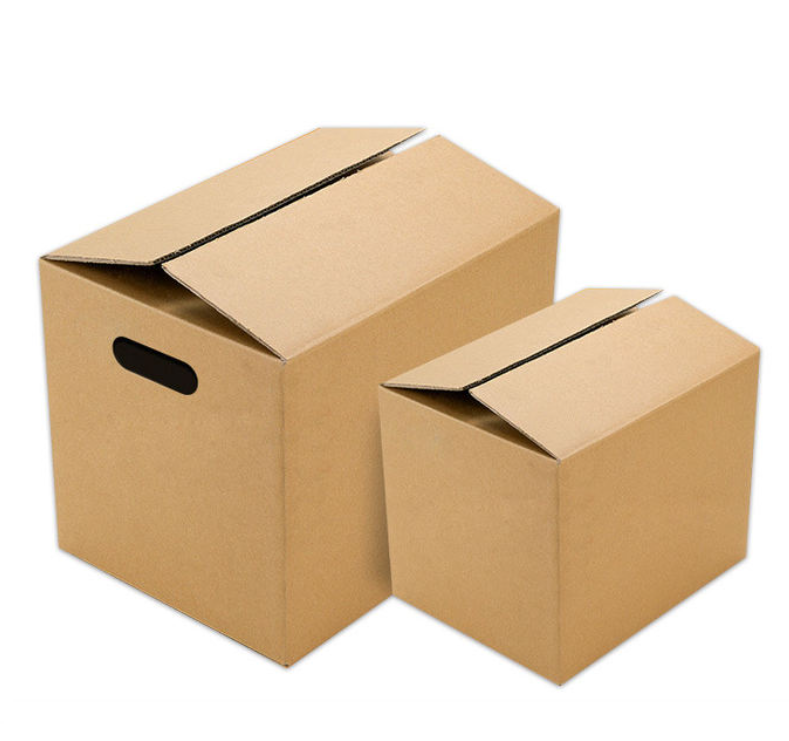
For personal use, customization is about organization and convenience. Moving boxes with room-specific labels (e.g., “Kitchen – Fragile”) simplify relocations. Storage boxes with clear plastic fronts let users identify contents at a glance. Even DIY enthusiasts benefit from blank cardboard boxes that can be painted, decorated, or turned into craft projects.
Not all spaces are square and spacious. Custom boxes can be designed to fit into tight corners, slide under furniture, or align with irregular warehouse layouts. A retail store with a narrow aisle might order slim, tall boxes for product storage; a homeowner with a tiny closet could use custom-sized boxes to fill every inch. Suppliers use precise measurements to ensure boxes fit like a glove.
Efficiency is king in operations. Custom boxes can be standardized across a supply chain to simplify inventory management, or color-coded by product type to speed up picking processes. In warehouses, stackable boxes with uniform dimensions maximize rack space; in offices, custom mailer boxes with pre-printed addresses cut down on labeling time.
Custom boxes are a canvas for brand storytelling. By weaving in brand colors, logos, taglines, or even QR codes that link to a brand’s story, boxes become walking advertisements. A coffee brand might print its boxes with a roasting process infographic; a fitness brand could use motivational quotes—every element reinforces who the brand is and what it stands for.
Consistency in branding builds trust. When a custom box’s design, colors, and messaging match a brand’s website, social media, and in-store signage, it creates a seamless brand experience. Customers start recognizing the brand’s boxes instantly, which boosts recall and loyalty. Suppliers collaborate with brands to ensure every custom box feels like a natural extension of their identity.
Custom boxes do require a higher initial investment than standard ones, but the payoff is tangible. For e-commerce brands, custom boxes reduce product damage (cutting replacement costs); for retailers, they increase perceived value (driving higher sales). Manufacturers help clients find sweet spots—like using cost-effective materials for structural parts while splurging on branding elements for customer-facing sides.
To gauge success, track metrics like repeat purchases (driven by memorable unboxing), reduced returns (from better product protection), or social media shares (from viral-worthy designs). A beauty brand, for example, might see a 20% jump in customer retention after launching custom boxes with personalized notes—proving that the customization cost was a smart investment.
Sustainability is no longer optional—it’s expected. Custom boxes can be made from 100% recycled cardboard, compostable adhesives, or FSC-certified paper (ensuring responsible forestry). These choices help businesses meet eco-targets, appeal to green-conscious consumers, and reduce their environmental footprint.
Eco-friendly custom boxes do more than just “go green”—they boost brand image. Consumers are more likely to choose a brand with sustainable packaging, and media outlets often spotlight such efforts. Plus, materials like recycled cardboard often have a warm, authentic look that resonates with modern buyers.
A small handmade jewelry brand wanted to stand out in a crowded market. They worked with a supplier to create custom boxes with velvet-lined interiors, foil-stamped logos, and handwritten-style thank-you notes. The result? A 55% increase in customer reviews (many praising the packaging) and a 30% rise in word-of-mouth referrals.
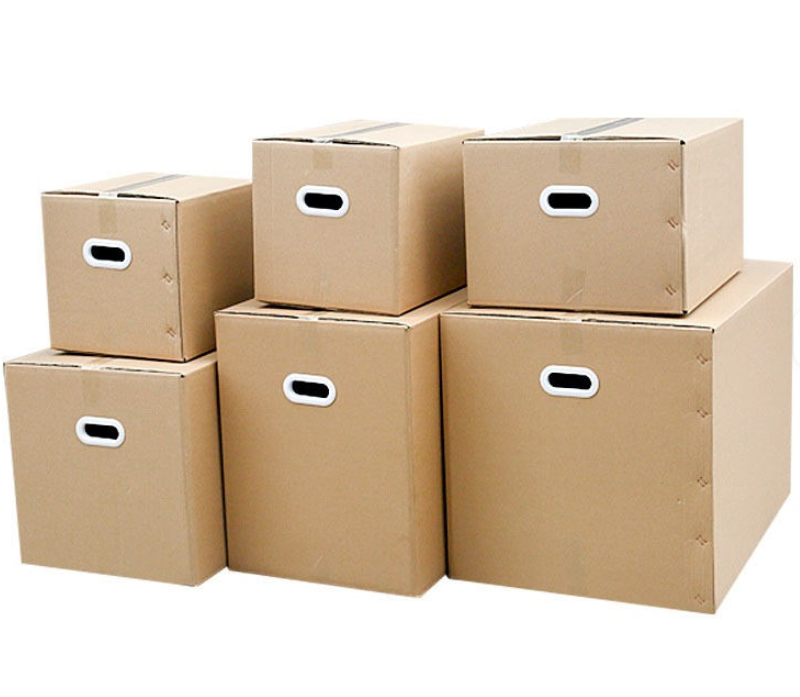
A regional moving service was losing customers due to box-related complaints (too big, too small, easily torn). They partnered with a custom box maker to design a 5-size assortment—each with reinforced handles, water-resistant coatings, and labels for different room items. Customer satisfaction soared by 42%, and the company saw a 20% increase in repeat business.
Ningbo Hairi Packing Paper Co., Ltd. specializes in crafting
tailor-made cardboard box solutions for businesses and individuals. We collaborate with wholesalers, manufacturers, and clients to design boxes that fit
spatial limits,
functional demands,
brand identities, and
sustainability goals. Our offerings include eco-friendly materials, innovative structural designs, and high-impact branding options—all to enhance product protection, user experience, and brand recall. Whether you need boxes for shipping, storage, retail, or personal use, our focus on quality, innovation, and customer-centricity ensures a solution that elevates your operations. Trust Ningbo Hairi Packing Paper Co., Ltd. to deliver custom cardboard boxes that meet your unique needs—down to the last millimeter and brand color
Post time: 2025-11-05 16:11:07
Previous:
Hairi Packing Launches Eco-Friendly Corrugated Cat Scratcher Series to Promote Sustainable Pet Living
Next:
Can display racks be customized for specific needs?


 Privacy settings